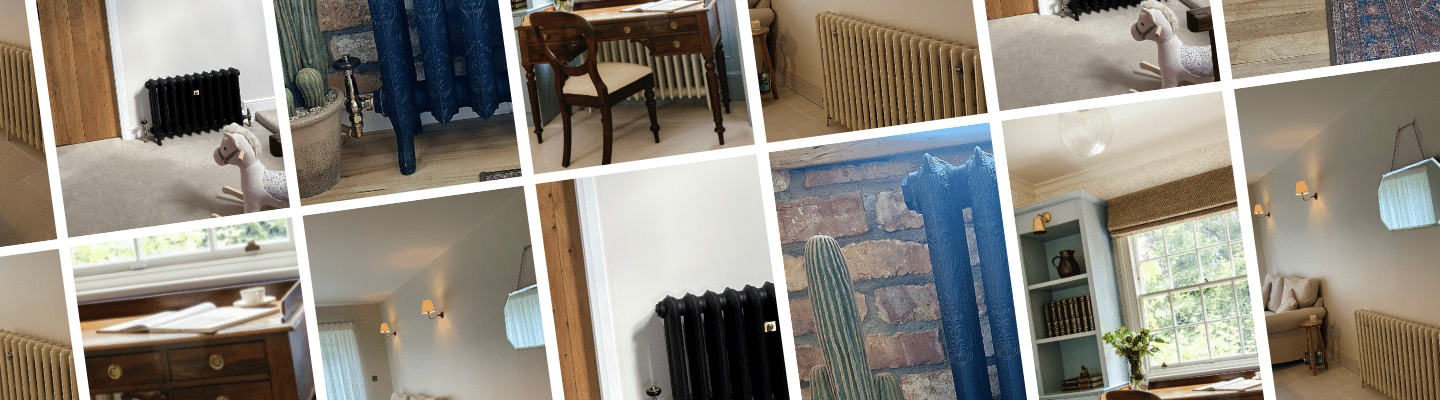
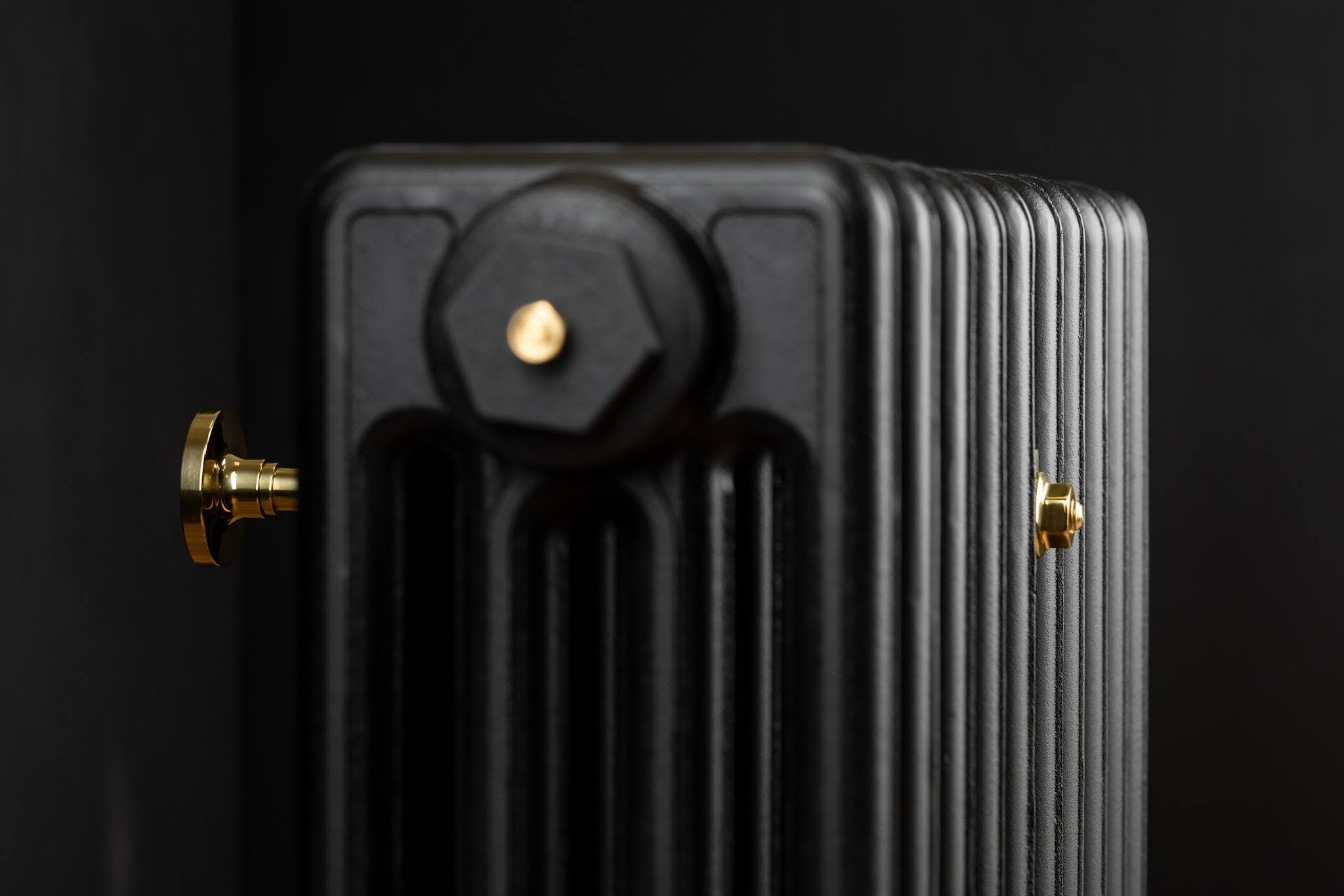
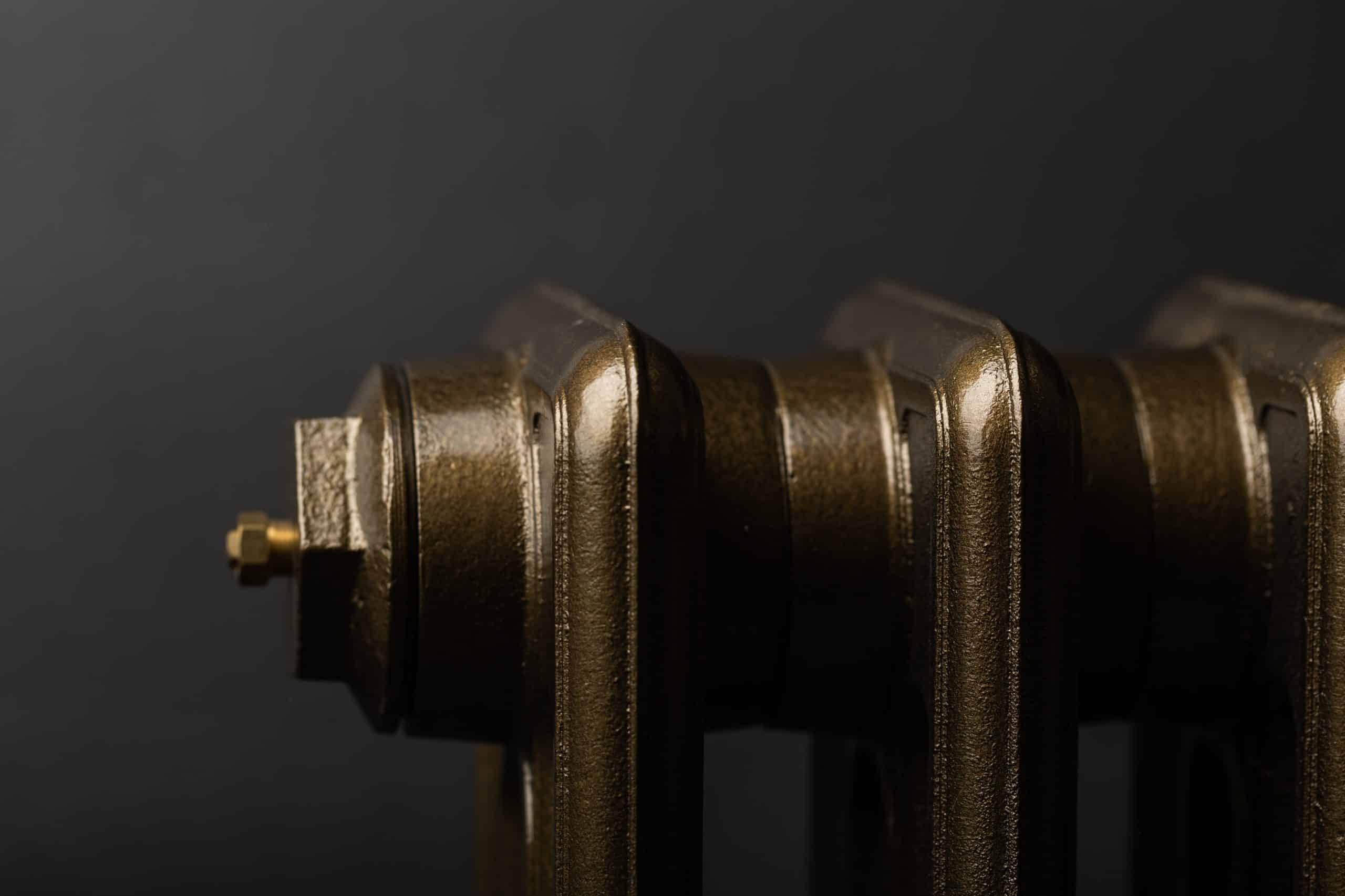
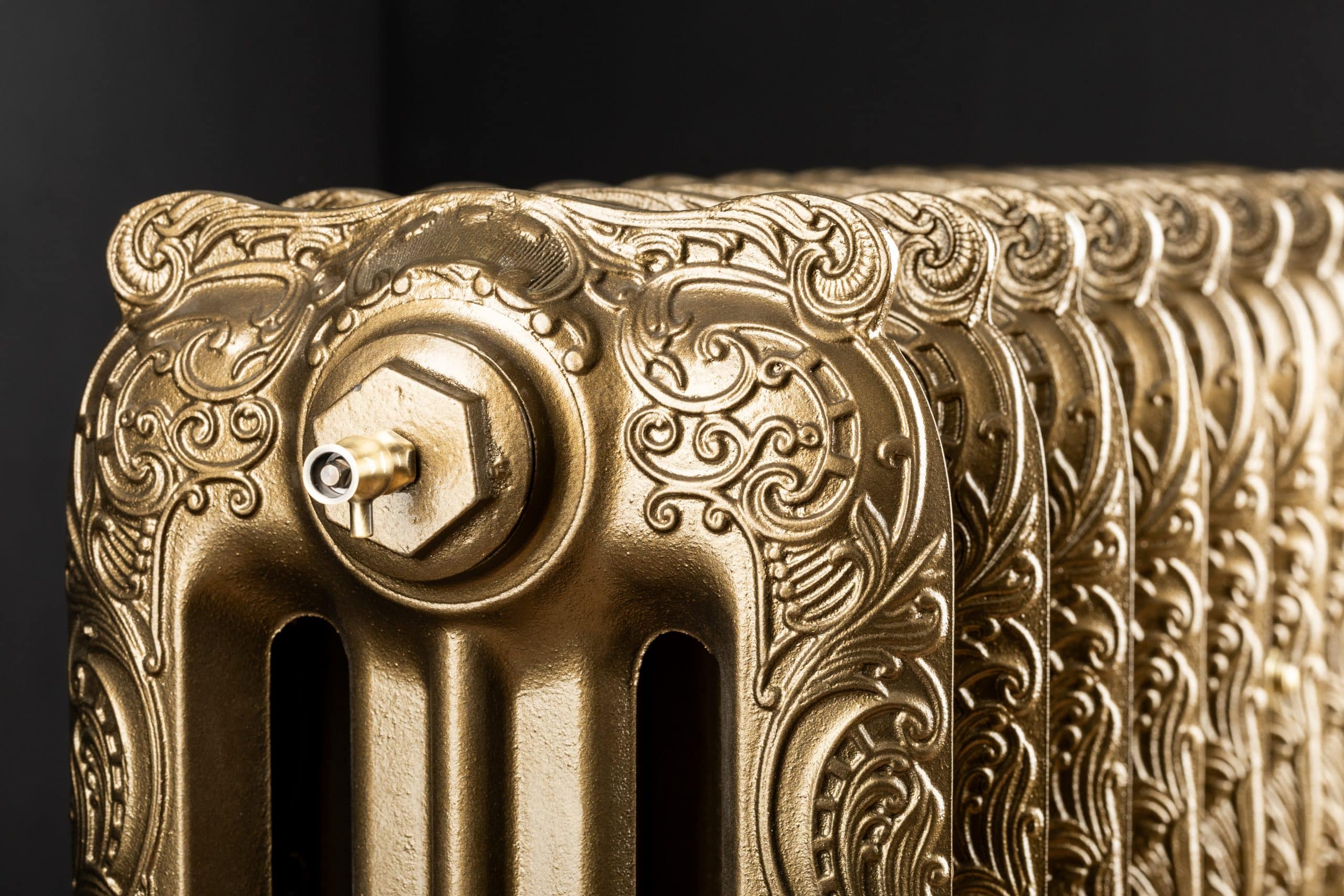
Are Cast Iron Radiators Worth the Investment?

  • Buying Guides

19 Jan 2026

MyRadRocks Entry Nick Peters

Choosing radiators for your home is not like picking paint colours or tiles. The stakes are much higher, so it’s a decision you’ll want to take your time with. While you could opt for budget radiators that are functional but a bit of an eyesore, there is also the option to upgrade to something that takes pride of place in the room.

Cast iron radiators are certainly an upgrade. They are made from premium materials, so like any premium addition to your home, you can expect to pay a little more than a budget option.

If you’re on the fence about cast iron radiators, your biggest question is likely to be – are they really worth the investment? To help you tackle this important question, we’re exploring this topic in more detail to explore why cast iron radiators are a smart choice for your home. We’re confident you won’t find the same quality cheaper anywhere else, which is why we offer a price match guarantee.

Why cast iron radiators are a smart home investment

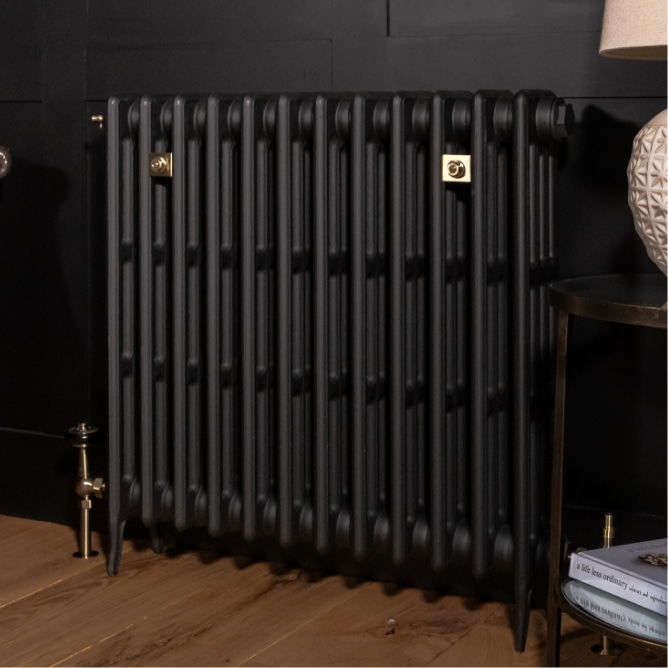
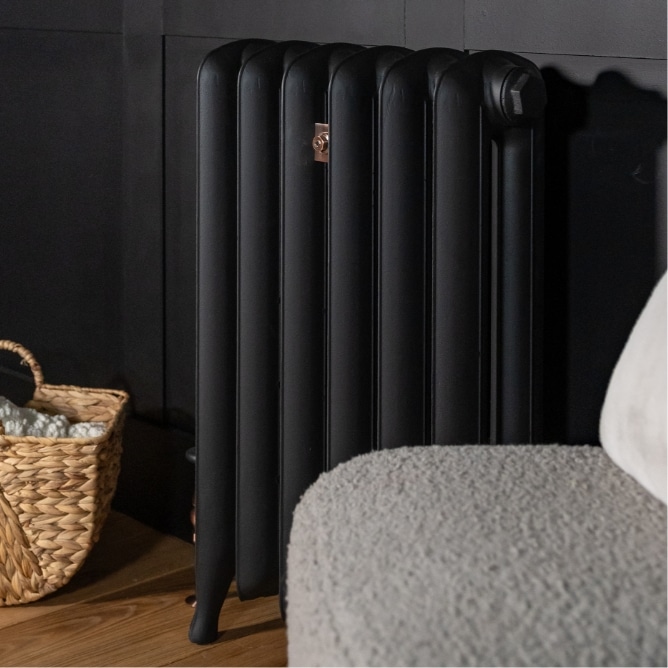
Cast iron radiators exude a quiet luxury that sets your interior design choices apart from more run of the mill choices. The first thing that you’ll notice is that they are substantial. They are very sturdy and clearly made from materials that will stand the test of time.

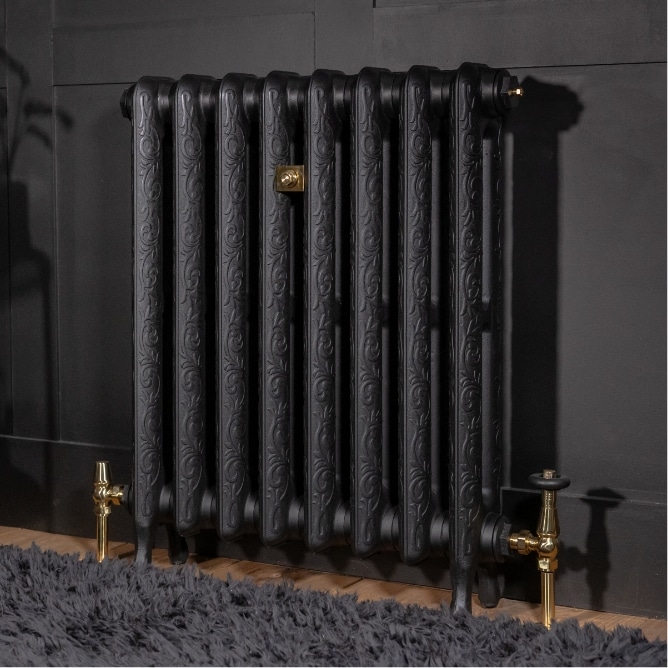
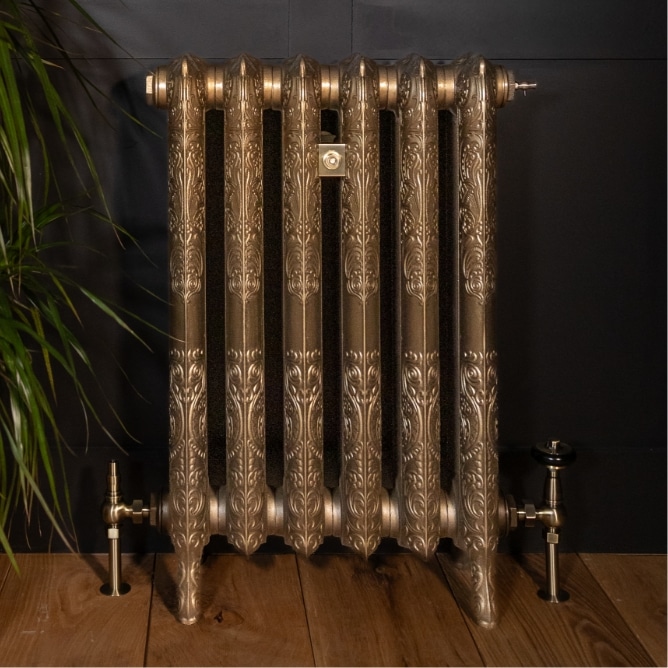
Cast iron is a stunning material that provides a beautifully unique finish and texture. These radiators are also incredibly versatile, playing the part in modern and traditional homes alike.

They’re also incredibly efficient. Cast iron retains heat for much longer than steel, which means your central heating system will be much more effective. Homes stay warm for longer, even after you’ve switched off the heating.

One final point to mention is the timeless appeal of cast iron radiators. They’re a key selling point for estate agents, who love to highlight these in their property descriptions. For anyone thinking about buying your home in the future, they’re a clear signal of a home well-loved and cared for.

Unmatched longevity: radiators that last decades

A simple steel panel radiator typically has a lifespan of around 10-12 years, but cast iron radiators can last for much longer with the right care and maintenance. There are still plenty of original Victorian-era cast iron radiators in use today, which goes to show just how long they can last with a bit of TLC.

There is also a unique psychological phenomenon that is worth noting. When we have invested in something for our home, we’re much more likely to take good care of it. If you’re not particularly proud of your eyesore steel radiators, you might be more likely to skip regular maintenance.

But with cast iron radiators, there is an added motivation to take good care of your investment. There’s also the added bonus of getting to keep your 10-year no quibble warranty intact if you stick to the maintenance guidelines. Not to mention, your radiators will be wonderfully efficient.

Exceptional heating performance for maximum comfort

Cast iron radiators not only look great, they’re also incredibly efficient. While style is important, it’s important to remember that radiators also need to be functional. Victorians really perfected the radiator design for many reasons.

First, the thick cast iron heats up and then holds that heat, emitting an even and steady output that remains long after you’ve switched on your central heating. The column design is also optimised for airflow. The heat rises, forcing cold air downwards to the bottom part of your room where this is heated by the radiator and then circulated through the room.

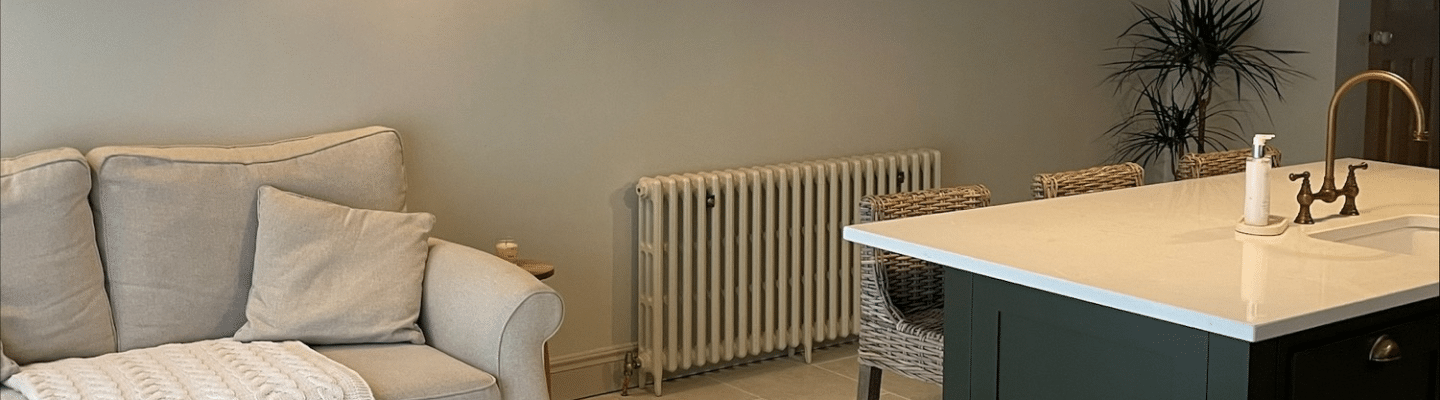
Cast iron radiators are also freestanding, which means you aren’t simply heating the wall behind your radiators. This improved air flow also makes for much easier maintenance as you’ll be able to dust all around your radiators.

Timeless design that elevates any interior

You only have to glance at reviews for our radiators to know that choosing them is an emotional decision, not always a purely practical one.

“Absolutely first class. Beautifully made radiators which really belt out the heat and continue to radiate well beyond switching the heating off.”

“Fabulous period radiators which have transformed the look of our 1850’s house. The beautiful matching valves, stays and bleed valves really top off the aesthetic.”

Customers love the styling opportunities that go hand in hand with cast iron radiators, because they bridge the gap between architecture and interior design.

Cast iron radiators become part of the bone structure of your home, but they are also thoughtful design choices. And they aren’t limited to period properties. We’ve seen our radiators integrated into a wide range of property styles.

Adding value to your property with cast iron radiators

Period features and properties attract a premium in the UK property market, so it makes sense that adding to the period appeal of your home using cast iron radiators would increase the value of your home.

Buyers want to see that the cast iron radiators are well-placed, as they don’t want to deal with the boring work of moving them. They also want to see that the radiators are correctly proportioned for your home. Maintenance is also important, as this will help to extend the life of the radiator.

Simple additions like period style thermostatic radiator valves are a popular choice as they will complete the look and make your heating system more efficient. In short, adding cast iron radiators to your home could become a popular selling point if you decide to move on.

Choosing the perfect cast iron radiator for your home

Ready to embrace the warmth and style of cast iron radiators in your home? The process is incredibly simple.

  1. Calculate the BTU requirements for each room
  2. Choose a radiator size, style and colour finish that works for you
  3. Place your order and then sit back and relax
  4. Book your plumber for installation – hello stylish new radiators!

Check out our range of Traditional Cast Iron Radiators

Explore our full range of cast iron radiators and find the perfect match for your home.

Shop our radiators

Helpful Pages

Cast Iron Radiators for Modern Homes: How to Make Them Work in a Contemporary Space

  • Design

18 Dec 2025

There is no denying that cast iron radiators look the part in period properties. There is a sense of authenticity in placing traditional Victorian design in a Victorian home. But does this mean that modern properties can’t benefit from this iconic design feature.

We’re confident that cast iron radiators will work in any space, both practically and from an interior design perspective. While they might look vintage, our radiators are easily adapted to any modern heating system, so you don’t have to worry about compatibility with your combi boiler.

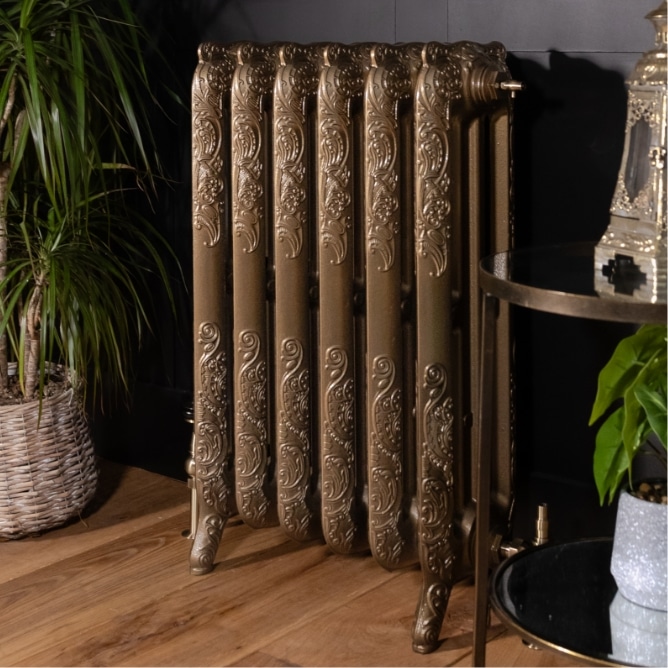
And when it comes to design, the sleek lines and bold styling of a column radiator can lend a touch of industrial chic to any interior. For a touch of glamour, we recommend ornate designs with their intricate details and beautifully crafted motifs.

Fact Check: Are Cast Iron Radiators Right for Modern-Style Interiors?

Maybe you love the look of cast iron radiators but you’re worried about how they will look and function in your modern home? Or maybe you’re just nervous about making the right choice from a design perspective.

Here we put some of the most common concerns to rest and separate the fact from the fiction.

Myth: Cast iron radiators are too hot for modern homes

One common question we hear from customers is that these radiators will simply be too powerful for their home. Modern homes will typically have excellent insulation and minimal heat requirements, so there is a fear that a cast iron radiator will simply be too hot.

You can counter this issue by simply selecting the right size radiator for your space, and it could mean that you can replace large unsightly panel radiators with a sleek and stylish traditional column radiator that will keep your home cosy and comfortable. You can also pair your radiators with thermostatic radiator valves to make your system even more efficient.

Myth: Cast iron radiators only work with period interiors

If you’ve ever seen the entries from our #MyRadRocks competitions over the years, you’ll see just how versatile cast iron radiators can be. They can even bring an industrial look to your space. This is perfect for homes capturing the New York loft style apartment trend.

The sleek lines and natural beauty of cast iron make them incredibly versatile and adaptable to a wide range of spaces. 

Cast Iron Radiators for Modern Homes: How to Make Them Work in a Contemporary Space

Myth: Cast iron radiators are too bulky for minimalist interiors

A common trend in modern interior design is minimalism. To make this style work, you will typically have a muted colour palette with calm, neutral tones. This combines sleek lines and silhouettes with strong contrast between materials. Natural materials also work beautifully in these spaces.

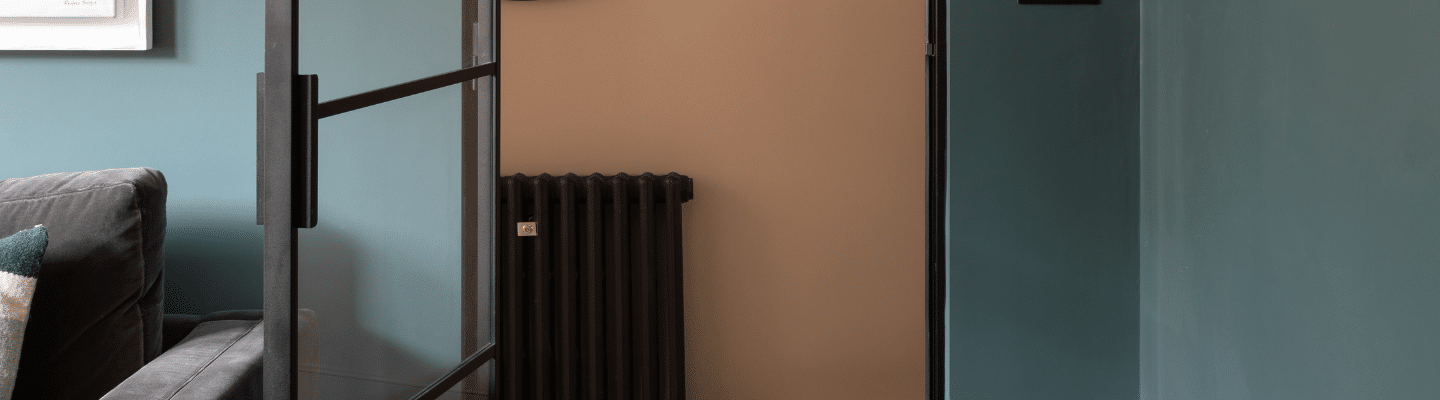
The textured surface of cast iron – along with the sleek colour choices – make it a perfect choice for a modern, minimalist interior. Our three column cast iron radiator offers a slimline option that feels less bulky than the four column design. Choose lighter shades like the Cream White colourway to allow your radiators to blend in with a neutral colour palette. 

Myth: Cast iron radiators won’t work with my modern heating system

We’ve yet to come across a modern central heating system that we cannot use with our cast iron radiators. If you’re really concerned about how it might work, we recommend calling the team for personalised advice and support. Since our radiators are designed to fit all standard modern pipework, you should have no issue adapting these radiators to your home.

Upgrade your home style

If you’re planning a renovation in your modern home, make sure cast iron radiators are part of the foundations of your designs. Radiators should typically be placed first in a new room design. This will help to shape the functionality and flow of the space.

Get started with our BTU calculator to work out the heat output requirement for each room. Then pick your favourite modern styles, including sleek and streamlined three column radiators to elegant and ornate Ascot styles. Choose from a range of modern and muted colours, including satin black or gunmetal grey.

And don’t forget your radiator valves – they won’t work without them! A thermostatic radiator valve will also help to prevent your home from becoming too warm; essential if you have excellent insulation.

Check out our range of Traditional Cast Iron Radiators

Explore our full range of cast iron radiators and find the perfect match for your home.

Shop our radiators

Helpful Pages

How to Reduce Your Heating Costs with TRV Valves: Simple Upgrades for Smarter Heating

  • Energy saving

25 Nov 2025

As winter approaches, many households will be looking for ways to keep their energy bills down. With energy bills predicted to rise by around 20% over the next 4 years (eek!), it might be time to start looking for small upgrades that can make a big difference to your energy bills – and your comfort levels.

While some might have the option to simply delay putting the heating on for as long as possible, or to use it sparingly throughout the coldest days, this isn’t an option for everyone. The very young, the elderly and those with medical conditions need to be comfortable in their homes. So, what can you do to keep your home comfortable without seeing your energy bills increase?

One way to reduce heating costs is with TRV’s. Thermostatic radiator valves (TRV’s) offer a simple way to take control over your central heating and make the entire system work more efficiently. Studies have found that TRV’s could reduce energy consumption by up to 41%, which could add up to incredible savings.

In this article, we’re exploring how TRVs work and how you can put them to work in your home to help cut your heating bills. We’re also sharing our favourite vintage TRV styles, so you can enjoy an efficient upgrade with unique retro styling.

What are TRV’s and how do they work?

Radiator valves allow you to isolate a single radiator from the whole system. With a manual radiator valve, you can turn off the flow to the radiator, which will reduce the heat output. With a thermostatic radiator valve, this process is managed automatically, so you can set it and forget it.

The valve contains an internal thermostat that is keeping track of the temperature in that specific room. When the desired temperature is reached, the radiator diverts water around this particular radiator. With less water to heat, your central heating system will use less energy.

This means that rooms that reach the desired temperature faster will be heated for less time. Once your home reaches the temperature set by your central thermostat, the entire system switches off. And when the temperature drops, it switches back on again.

Do TRV valves really save money?

Controlling the temperature in each room might make your home more comfortable, but how does this translate to lower energy bills? First and foremost, installing the TRVs is not enough to lower your energy bills, you also need to set them up correctly.

Controlling your central heating room-by-room can add up to savings, provided you are using this efficiently. First, identify rooms you don’t use very often, or that are heated up from other sources. Examples of this would be the kitchen. A busy kitchen at the centre of the home might not require heating. The same goes for spare bedrooms that are seldom used and can be isolated from the rest of the home.

TRVs can also help to make your home more comfortable and avoid overheating. Your lounge is likely to be the space where you spend most of your time, so keeping the temperature consistently comfortable will be key. 

With a manual valve, you could end up with a living room that feels far too hot, so you have to open a window to cool it down. The same goes for bedrooms, as you will typically feel more comfortable in a cooler room.

By taking control of each radiator and customising the temperature for each room, you can reduce energy waste and only heat your home as much as is required. 

TRVs also allow your home to respond to outside temperature much more efficiently. So, if you experience temperature spikes outside, your central heating will switch off rather than continuing to heat your home as if you’re in the middle of a cold snap.

How to use TRV valves efficiently

Whether you are planning an upgrade or you just want to make sure you are making the most of your existing thermostatic valves, these are some essential tips you need to know.

  • First things first, make sure you have installed thermostatic valves in every room except for the bathroom. Why, you might be wondering? The bathroom is the one room in the house where a TRV might not be useful. Steam from the shower or bath can interfere with the thermostat, causing the valve to shut off before it has reached temperature.
  • Do not install a TRV in a room where there is a main central heating thermostat as the two will conflict with one another which means non-efficient heating in that room/area.
  • You’ll then decide the temperature level for each room. As a general rule, switch radiators off in rooms that you don’t use, and keep the temperature lower in bedrooms and higher in living areas.
  • You’ll then set the temperature for your central thermostat. This might need some fine tuning throughout the winter as you get used to a more streamlined heating system. 
  • You can also set a timer for your central heating so that your home will be toasty warm when you need it to be. With a smart thermostat, you’ll be able to set schedules that adapt to your daily routine to further optimise your heating.

Common mistakes to avoid with TRV valves

  • As mentioned above, placing a TRV in a bathroom is a bad idea due to the fluctuating heat from the steam.
  • Avoid using TRV’s near to main thermostats.
  • Avoid covering your TRV valves with curtains or placing large items of furniture like sofas in front of them, as this will trap the heat and cause the radiator to switch off before the room has reached temperature.
  • Make use of anti frost settings to allow a small amount of hot water to run through the system and prevent burst pipes in the event of a cold snap.
  • Avoid leaving all of your valves on maximum, as this will drive up your energy bills.

TRVs vs smart radiator valves — which is better for energy savings?

It’s possible to upgrade even further with smart radiator valves, which will connect each radiator valve to a central control hub and set your radiator temperatures automatically. While these might satisfy those who love a new gadget, it will take a long time to recoup the cost of these more expensive valves from energy bill savings.

When used correctly, a TRV should enable you to take control of your central heating and make the system work more efficiently. Smart radiator valves are also more prone to malfunctioning, and you could find yourself unable to access your heating controls if you forget your login details or lose your device.

Installation tips (and when to get a professional)

If you’re thinking about upgrading to cast iron radiators, we will always recommend choosing stylish thermostatic radiator valves for every room except the bathroom. Professional fitting is recommended due to the risk of developing leaks if the valve is installed incorrectly. 

If you’ve installed radiators with manual valves and are considering an upgrade, you’ll need a professional to isolate your radiators, replace the valves, check for leaks and then rebalance your system.

Final thoughts on TRVs for energy savings

If you’re looking for ways to make your home more energy efficient, it’s often the small steps that make a big difference. Switching to TRVs will not only help to reduce your energy consumption, but it can also make your home more comfortable. It’s time to say goodbye to chilly mornings or overheated rooms.

Check out our range of Traditional Cast Iron Radiators

Explore our full range of cast iron radiators and find the perfect match for your home.

Shop our radiators

Helpful Pages

Dreaming of A Cosy Christmas? How to Fast-Track Your Radiator Upgrade

  • Buying Guides

27 Oct 2025

There’s nothing quite like the cosiness of cast iron around Christmas time. Perhaps this is linked with our romantic ideas of a classic Victorian Christmas, or maybe it’s just about wanting to make essential upgrades before you entertain guests for the holiday season. Your new cast iron radiators are sure to be a talking point!

If you’re dreaming of a cosy home with stunning vintage radiators, we’re here to help make this dream a reality. The clock is ticking to get everything ready, so let’s get started…

How to upgrade your radiators in time for Christmas

With just under 2 months to go before Christmas, you might think it isn’t possible, but with a bit of planning and some cooperation from key players, you should be able to pull this off.

Step one – book your plumber

Start by finding your plumber. Let them know your plans and give them a link to our website so they can find out all of the information they’ll need for your installation. They can use our current lead times as an indication of when they’ll need to schedule the installation.

Step two – calculate heat requirements

Next, measure your rooms and use our BTU calculator to find out the heat output requirements. You can then use this information to shop our extensive range of vintage style radiators, including traditional column radiators, Victorian school radiators and ornate cast iron radiators.

Step three – choose your accessories

Don’t forget to shop for matching accessories at the same time. You’ll need radiator valves, wall stays and pipe shrouds for the installation. 

Step four – place your order

Place your order and let your plumber know which items you have ordered. We provide a rough guide for the pipe centres, but we recommend waiting for the radiators to arrive on site before moving your pipework. This is because each radiator is unique and hand assembled, so there can be slight variations in the widths.

Step five – prepare for delivery

Prepare for the arrival day by making sure someone will be present to move your radiators indoors. We offer curb-side delivery only and our delivery drivers are not equipped or insured to help move your radiators. If required, please request a ‘dedicated day’ delivery service and we can arrange this for you. This way you know when to expect delivery and can have help ready.

Step five – installation time!

Now it’s time for your plumber to work their magic and install your new radiators. Our radiators are designed to fit with most standard plumbing pipework and can be adapted to different sizes. Your plumber will install and then test your radiators according to our specifications. This will help to ensure your radiators stay in peak working condition and will keep your warranty intact. 

Step six – deck the halls

Then it’s time to deck the halls and get your home ready for the festive season. Be prepared for endless compliments on your radiators as they fill your home with warmth and effortless style.

Top tips for keeping things on track

Make sure you select paint colour for your radiators. Don’t fall into the trap of thinking that unpainted radiators will be faster. Radiators that are installed with the primer paint only will be dust magnets that attract scuffs and marks – not the look you want for your home at Christmas or any other time of year. Avoid this by choosing one of our beautiful heritage inspired shades, including matte, metallic and satin shades.

Book your plumber as soon as possible. Plumbers tend to be booked up around this time of year as people will be replacing faulty boilers, upgrading their heating and dealing with breakdowns.

Don’t move pipework until the radiators arrive. We offer pipe centres as a guideline, but the way our radiators are assembled by hand and cast using traditional methods means that the fully assembled size could be slightly different. Avoid repeating work by waiting for them to arrive before moving your pipes.

Shop accessories at the same time. You can’t install your radiators without valves, and wall stays need to be placed before the pipework is attached. You can save delays by getting everything in one place – this will also ensure your accessories are a perfect fit for your new radiators.

Ask our team for advice if you are unsure. You don’t have to struggle through this process alone.

If you’ve got a question, reach out to our support team before you place your order. This can avoid the stress of having to return and replace your radiators if you select the wrong one.

Check out our range of Traditional Cast Iron Radiators

Explore our full range of cast iron radiators and find the perfect match for your home.

Shop our radiators

Helpful Pages

Summer 2025 #MyRadRocks Finalists & Winner Announced

  • Competition

16 Oct 2025

Our Summer #MyRadRocks competition has now come to an end and a new winner has been crowned. 👑

We received an overwhelming number of entries for this competition, and we love that so many of you are willing to invite us into your homes to show how you have styled your radiators.

Our homes are our castles. They’re deeply personal and a reflection of our inner world. And when we share them on social media, it becomes a statement about who we are and how we want the world to see us. That’s why this competition means so much to us. So we want to start by saying a heartfelt thank you to everyone who has entered.

In short, we love seeing how you style your radiators. It’s a testament to the versatility of the cast iron radiator. Each and every entry is so wonderfully unique, and yet they all have this common theme running through them.

The shortlist of finalists this time around features bold and maximalist styles alongside sleek and minimalist decor. It’s clear our customers aren’t afraid of colour and pattern, and they know how to work with original features.

They also have a solid understanding of scale and space, ensuring that their radiator is the perfect fit; each one fits seamlessly with the structure, rather than feeling like an addition.

So, let’s get to know the finalists a little better.

Neil Conaty – Enco Flooring

The first entry comes from Neil Conaty, and it’s our traditional 4 column radiator in matt black paired with antique brass thermostatic valves and a satin nickel wall stay. We love the simplicity of the reclaimed wooden flooring, sleek white woodwork and the eucalyptus sprigs.

Upgrading to cast iron radiators makes a real statement in period properties, while moving the radiators off the wall also helps to make them more efficient, as they’ll enjoy improved air flow – bonus!

Buckingham Renovation

We love the bold use of colour in this space, which plays with scale while managing to maintain a confident sense of balance. This customer used our short traditional 4 column radiator, which is the perfect fit for a bay window. This creates a stunning scene with the combination of the shutters and the stained glass sections of the window. The result is a practical yet stylish space that invites you to cosy up and watch the world go by.

Leytonstone House And Garden

Next up we have this stylish bathroom scene from Leytonstone House And Garden. We love the use of colour and vintage touches to create a calming and serene space. This is our Art Nouveau radiator in antique bronze, which is a warm-toned metal that pairs perfectly with the soft peach tones of the wall and the marble flooring.

Maison Aston

Come for the bright splash of teal, stay for the peacock. This bold and bright bathroom belongs to Audrey, aka Maison Aston. We love the confident use of colour, from the bright teal paint to the elegant wallpaper. And who can resist an ornate mirror? Get this look with the slimline traditional 3 column radiator, which is perfect for smaller spaces like the bathroom.

And the winner is…

You had a chance to vote on social media, and you crowned Buckingham Renovation as our winner. They take home a £500 voucher to put towards their renovation, and we can’t wait to see how they put it to work.

Keep your eyes peeled on social media and on our email list, as we’ll be catching up with them in the coming weeks to learn more about their renovation journey so far.

Check out our range of Traditional Cast Iron Radiators

Explore our full range of cast iron radiators and find the perfect match for your home.

Shop our radiators

Helpful Pages

What to Expect When You Switch to Cast Iron Radiators

  • Buying Guides
  • Style & Inspiration

2 Oct 2025

Making the switch from panel radiators to cast iron radiators is a serious style upgrade – but a sleek new look for your home isn’t all you can expect. From improved efficiency to taming those energy bills, there are plenty of perks associated with making the switch.

Expect an adjustment period as you get used to your new radiators, including learning how to make them as efficient as possible. There are a few key differences in how they work, which means you’ll need to make the most of thermostatic valves and your home thermostat to reap all of the benefits. Here’s everything you can expect when you make the switch to cast iron radiators.

The Enduring Appeal Of Cast Iron

Cast iron radiators offer a glimpse into the past, as this is the first mass-produced central heating system that was available during Victorian times. Thankfully, modern cast iron radiators have been significantly updated and improved since the days of steam central heating.

Modern central heating systems allow you to enjoy the warmth of cast iron, with all of the efficiency of thermostatic valves, smart thermostats and efficient boilers.

Ripping out our steel panel radiators and upgrading to beautiful cast iron is so much more than a style statement for your home. It’s an investment in comfort and efficiency for years to come.

What to Expect When You Upgrade To Cast Iron Radiators

You’ve spent hours choosing the perfect style, colour and size for your home. The day has finally arrived – your radiators are finally getting installed. Here’s what you can expect in the days/months/years after installation…

1. They take ever so slightly longer to warm up

Cast iron has a lower thermal conductivity than steel, which means it takes ever so slightly longer to heat up than steel panel radiators. But, once it has reached temperature, it holds on to the heat for much longer. This means that your radiators will stay warm long after you have switched off your central heating – bonus!

To adapt to this, we recommend adding thermostatic valves to take the guesswork out of controlling your central heating. Thermostatic valves help to drive down energy bills by switching off your radiators once they have reached the desired heat output.

These valves work in harmony with your central thermostat, which controls on/off operation for your entire system. All of this adds up to big savings, as you’ll only have your heating switched on when you need it.

2. Comfortable, stable temperature

You might be accustomed to turning on your heating, it quickly heats up, your room becomes sweltering and you have to open a window to cool it down. This is a common routine with panel radiators, but it will quickly become a thing of the past with your cast iron radiators.

Cast iron heats up gradually and then holds a steady and comfortable temperature. This means fewer temperature spikes and a comfortable, ambient room temperature – at last!

3. Fewer airborne allergens

A surprising benefit of cast iron radiators is their impact on air circulation. Since they radiate heat rather than relying on convection currents, they don’t cause turbulent air currents like some fan-powdered radiators. This means fewer allergens circulating in your home.

When paired with regular dusting and cleaning, this can be a huge relief for those living with allergies. Cast iron radiators are much easier to keep clean, as they are free-standing instead of wall-mounted. This means that you won’t have dust build-up behind your radiators.

4. Improved boiler health

One of the perks of well-maintained cast iron radiators is the positive impact on your boiler health. Heating to steady and stable temperatures will keep your home comfortable without the need for intensive cycles of boiler use. This is particularly true when you have an efficient timer and thermostats on individual radiators.

When paired with regular boiler maintenance, your cast iron radiators will work efficiently year after year, ensuring your home remains comfortable and warm.

5. Radiator envy from all of your friends and family

Cast iron radiators are a statement in any room, and you can expect your visitors to take note. They offer a beautiful and stylish upgrade from the usual wall-mounted panel radiators. They certainly look the part in a period property and could be ideal as a secondary heat source alongside a wood-burning stove.

6. Increase your home value

Cast iron radiators are not just an investment in your comfort levels – they can also increase the value of the home. Well-maintained cast iron radiators are a welcome sight for many house hunters, and they certainly add to the character of a period property.

Since cast iron radiators are built to last, you can pass on these benefits if you decide to sell your home.

Ready to make the switch?

Upgrading to cast iron radiators is one of the best moves you can make during a home renovation. Whether you are bringing a period property up to date, or want to add some vintage charm to a modern home, cast iron radiators offer an ideal upgrade.

Get started with our BTU calculator to determine the size, and then explore our beautiful range of vintage style radiators. Don’t forget to add accessories like thermostatic valves to complete the look!

Check out our range of Traditional Cast Iron Radiators

Explore our full range of cast iron radiators and find the perfect match for your home.

Shop our radiators

Helpful Pages

The Victorian Home Renovation Checklist

  • Design
  • Style & Inspiration

3 Sep 2025

Victorian Home Exterior

Renovating a Victorian property can be rewarding and challenging, in equal measure. In this checklist guide, we’ll take you through every stage of a Victorian home renovation, from planning permission to the finishing touches, so you can preserve the original character of your home, while bringing it up to date for modern living.

Victorian Home Exterior

This checklist will help to ensure you don’t miss out on anything important, like securing planning permission, or keeping an eye on costs. We’ll also share our insight into updating your Victorian property for modern times, including upgrading the central heating system and installing much-needed insulation.

Victorian Home Renovation Checklist

This is a general checklist to consult before you start your renovation. Obviously, every home is unique, so some steps might not apply to you. Some steps may have already been completed during the purchase (such as the structural survey) or you might be willing to skip certain aspects. 

You might decide some steps are overkill – do you really need a conservation specialist to help you to identify the original features, for example?

Stage Key Tasks Timeframe Professional Needed?
1. Research & Permissions Check listed building status, planning permission, and conservation area rules. 1–2 weeks Architect, Local Planning Office
2. Structural Survey Hire a surveyor to assess roof, walls, foundations, damp, and electrics. 1 week Chartered Surveyor
3. Budget Planning Calculate renovation costs, add 10–20% contingency. 1–2 weeks Financial Planner, QS
4. Protect Period Features Identify features to preserve: mouldings, sash windows, fireplaces, cast iron radiators. Ongoing Conservation Specialist
5. Structural Repairs Fix roof, masonry, chimneys, damp proofing. 2–8 weeks Builder, Roofer, Mason
6. Modern Services Upgrade Replace or upgrade plumbing, electrics, and heating systems. 2–6 weeks Plumber, Electrician, Heating Engineer
7. Energy Efficiency Improvements Insulation, draught-proofing, secondary glazing. 1–3 weeks Insulation Specialist
8. Room Renovations Kitchen, bathroom, and living area updates in period style. 4–12 weeks Multiple Trades, or DIY
9. Finishing Touches Painting, decorating, flooring, lighting. 2–4 weeks Decorator, Flooring Specialist
10. Final Inspection Walkthrough to ensure all work meets quality and compliance standards. 1–2 days Surveyor, Homeowner

Understanding Victorian Architecture And Features

Why do people go to such lengths to renovate Victorian properties? Surely there are enough modern new-builds to provide a blank canvas for budding interior designers?

Renovating a property is less about putting your own mark on a home and more about paying tribute to the history of the home.

Victorian architecture offers some beautiful features to work work, including:

  • Bay windows
  • Sash windows
  • Decorative moulding
  • Ceiling roses
  • Fireplaces
  • Cast iron radiators
  • Tiling
  • Wooden floors

These original features help to elevate the property and transport the occupants back in time. By renovating these original features and bringing them up to date for the modern day, you can maintain the beauty of the home and enjoy a slice of architectural history in your everyday life.

Fireplace in a Victorian property

Pre-Renovation Research & Planning (1-2 weeks)

Before you get started with a renovation, it’s essential to confirm if your property is listed. It’s likely that you’ll already know the bigger picture in regards to the listed status, but there may be other considerations for local planning permissions and building regulations for your area. 

If your home is listed, it’s time to get familiar with what these restrictions mean. Historic England offers an in-depth guide in what listed building status means. Searching the listed register can also help you to find out more about the history of your home, which could help you to uncover details that might inform the decor. 

Learning more about past inhabitants, the original floor plans and other small details about properties in your area could help inspire your renovation and ensure all updates retain a sense of authenticity.

Another great place to find out about the history of your home is your local library. If your property was home to a significant local figure, you might find more details about the construction.

Structural Assessment (1+ weeks)

You likely had a comprehensive survey completed during the purchase process. Now is the time to return to these findings and decide what needs to be done before moving forward. There’s little sense in investing in the interiors if the structure is struggling.

Common issues facing Victorian properties today will include damp, subsidence and the roof condition. A part of the renovation process is balancing your budget so that the structure is sound through a combination of quick fixes or long-term solutions.

If the property has been sitting empty for a while, it could be worth revisiting the structural survey process to better understand the condition of the property and what needs to be done to ensure it is watertight and ready for renovation works.

Preserving Period Features

Perhaps the most enjoyable part of the renovation process is the stage of preserving and restoring any original features. Some of these might not become evident until you start unboarding fireplaces and ripping up old carpets.

Common features to restore in a Victorian property include:

  • Flooring, including original oak floorboards or parquet flooring
  • Interior doors and doorframes which may have been boarded over and covered in layer of paint
  • Fireplaces which may have been covered, painted or boarded up
  • Mouldings and ceiling roses

If you have original cast iron radiators in your home, it might be time to replace these with modern replicas to ensure your central heating system is reliable and efficient. 

Keeping original cast iron radiators running can be an ongoing headache as they will likely be clogged with decades of sludge which makes them noisy, unreliable and inefficient. Worn gaskets and broken internal components will leave your central heating system at risk of leaks and breakdowns.

Victorian Cast Iron Radiator alongside a leather chair and side table with flowers.

This is the best time in your project to finalise the floorplan. The current position of radiators might not work with your intended floor layout, and you’ll want to determine the new position and pipework layout before you replace flooring.

Think about the layout and flow of the room, how you will use it, and where you imagine you will place key pieces of furniture to help determine the optimum layout for your radiators.

Read more about using traditional radiators as a design focal point in your home. 

Modernising for Comfort & Efficiency

Upgrading your central heating system with a modern boiler and efficient cast iron radiators will allow you to keep your property dry and free from damp. Victorian homes may also lack important things like insulation, which could make your home draughty, cold and expensive to heat.

While you might be maintaining the original features of your property, you can also modernise them in certain aspects to ensure that your home is efficient and comfortable.

Start with insulation in the loft, walls and underfloors. Next, move on to eliminating draughts to help prevent heat loss. Finally, you can look at upgrades to your heating system and integrating modern features like energy efficient boilers and new cast iron radiators.

Room Renovations

At this stage in the renovation, you’ll be looking at the bare bones of the building. It’s time to insert some personality, and also make the home livable and functional. 

Kitchen and bathroom installations can now take place, which could mean starting from scratch, or it could mean updating what is already there if you’re lucky enough to have original features like roll top bath tubs.

#MyRadRocks Spring 2025 Finalist

If you don’t have original features, or if they’re looking a little worse for wear, don’t panic. Victorian-style bathrooms and kitchens are enduringly popular, so you’ll easily find something that matches the style and personality of your home.

Final touches

If you’re lucky, your Victorian home renovation might require little more than a fresh coat of paint, some stunning wallpaper and some new light fixtures. If someone has already revived the property, then you can simply add your own mark and update the decor.

We recently shed some light on the Victorian style of decorating, so you can get inspiration for your renovation project.

Budgeting And Timeline Management

Estimates vary, but predictions for renovation costs are between £1,000 per m² to £3,000 per m². This all depends on the extent of the work required and the desired finish.

You might choose to tackle the work in the order listed above, or you might tackle one room at a time to help spread the costs and manage your budget.

One thing is certain: you need to plan for unexpected expenses and bumps in the road. One of the most common bits of advice that Victorian home renovators will tell you is that you need to expect the unexpected.

Making room in your budget for contingency planning will help to keep your home renovation on track and prevent the project from going off the rails.

Victorian style interior with reclaimed wooden dining table.

Final Thoughts

Renovating a Victorian property is all about planning and budgeting, but also being flexible and able to go with the flow. A rigid approach will leave you frustrated with your progress.

Check out our range of Traditional Cast Iron Radiators

Explore our full range of cast iron radiators and find the perfect match for your home.

Shop our radiators

Helpful Pages

Out with the Old? When to Replace Your Radiators and Why It Matters

  • Buying Guides

10 Jul 2025

black cast iron radiator

In the middle of summer, your radiators might be the last thing on your mind. But if you spent last winter plagued by central heating problems, you might be wondering if action is needed before autumn arrives once more.

The average steel panel radiator has a lifespan of around 10-15 years, but some could last up to 20 years with good care and maintenance. If your radiators have reached the end of their life, you might be wondering if this could be the perfect time to update your home with cast iron radiators.

Cast iron radiators are a luxurious upgrade for your home that not only look the part, but also deliver phenomenal heating power. Our radiators are available in a range of sleek and ornate style, custom painted with your choice of beautiful heritage colours.

Upgrading your radiators is an investment in your home, so it’s important to take the time to consider all of the options before moving forward.

Why radiator health matters

Inefficient radiators will not only leave you in the cold, they can also hike up your heating bills while causing a racket in your home. If you’ve ever been in an older property with an ageing heating system, you’ll be familiar with the loud knocks, creaks and hissing you come to expect from the heating system. This can happen all hours of the day and night, making it difficult to sleep or relax.

Another issue with ageing radiators is the failing heat distribution. Old radiators will be backed up with years of sludge and debris that limits the flow of water. And if the water can’t flow, your radiators can’t heat up evenly.


Finally, your central heating system will have to work harder to maintain a comfortable temperature. This puts pressure on the boiler while also making your central heating bills much higher than they need to be.

An investment in new radiators could therefore help to drive down your energy bills in years to come.

Signs your radiators have seen better days

Not sure if your radiators have reached the end of their life? These are some of the telltale signs that your radiators need to be replaced.

  • Cold spots on your radiators
  • Radiator leaks are becoming more common
  • When you bleed your radiators, the water is brown or sludgy
  • Your heating system makes strange and loud noises (bangs, hissing, gurgling)

Repair or replace?

Next up, you might be wondering if you can hang on to your radiators a little longer by repairing them before you replace them. You could start with a professional powerflush to see if this can help to improve efficiency and get a few more years out of your existing system.

A note on powerflushing: While this can be effective for cleaning sludge and build up out of your central heating system, there is also the risk that the caustic chemicals used could cause further damage by breaking down seals and gaskets.

Our radiators should never be powerflushed, as this will invalidate the warranty. If your system needs to be powerflushed, we recommend doing this before installing our radiators, and then the system water should be fully neutralised before they are fitted.

If you’re planning any structural renovation or redecoration project, it could be helpful to replace your radiators before any work commences.

You can also decide to replace and upgrade because you simply want to change the style of your radiators. Panel radiators can become a distraction in a period property where cast iron radiators would be more suited to the surroundings. So go on – treat yourself!

The best time of year to renovate

If you’ve decided to not just replace your radiators, but to upgrade them, then you’ll need to plan your renovation accordingly. Radiators might be the last thing on your mind during the summer months, but it’s actually the best time to upgrade.

Here are some of our favourite reasons for planning radiator replacements for the summer/early autumn.

  1. You won’t mind having the central heating switched off.
  2. Plumbers have more availability and are able to plan work.
  3. You can keep the windows open when there is dusty work going on inside.

Choosing replacement radiators

You don’t have to replace all of the radiators in your home with cast iron radiators all at once. Most modern central heating systems will allow you to mix and match your radiators without any issues.

This can give you the flexibility to renovate room by room, or to replace radiators floor by floor. Upgrading your panel radiators requires more planning than replacing them like-for-like, but we’re confident you’ll be delighted with the outcome.

We recommend consulting with your chosen plumber before ordering to confirm the components you’ll need. You don’t have to replace your heating pipework if it is not a standard size, but you may need to adapt the connections to fit your new radiators.

Get started with our BTU calculator to determine the heating requirements for each room. You can then shop recommended radiators based on your BTU requirements.

Your pipework might need to be adjusted to suit the new radiators, but we recommend waiting until the radiators have been delivered before making any final decisions.

This is because cast iron radiator sections are individually cast and we hand assemble each radiator, therefore completely unique. There might be small differences in the length of assembled radiators.

Need help with your selection?

If you’ve decided it’s time to upgrade but can’t decide which is right for you, try our helpful buying guides. You can also contact our customer care team for personalised advice and support.

Check out our range of Traditional Cast Iron Radiators

Explore our full range of cast iron radiators and find the perfect match for your home.

Shop our radiators

Helpful Pages

5 - 7 days despatch on Radiators

All other accessories 1-2 days despatch

Price Promise

We will beat any like for like quote

10 year guarantee

Ten year no quibbles guarantee

Built in UK

Hand Built in the UK & CE approved

Buy Direct

We’re up to 40% cheaper.