0800 294 8603


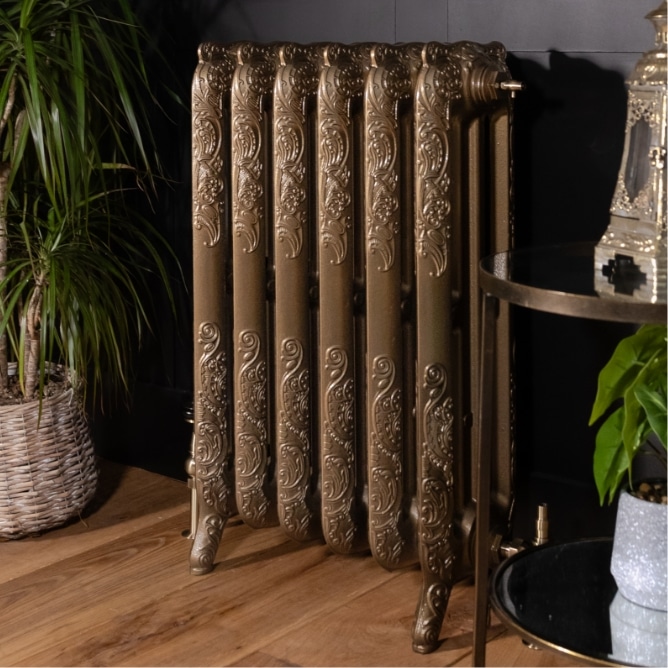


Have you turned your central heating on for the winter yet? While some of us like to get cosy at the first sign of a cold spell, others prefer to hold off for as long as possible. Whenever you choose to crank up the thermostat, make sure you’ve run through this checklist to ensure your radiators are as efficient as possible this winter.
Cast Iron Radiator Maintenance Checklist
- Dust your radiators and wipe with damp lint-free cloth
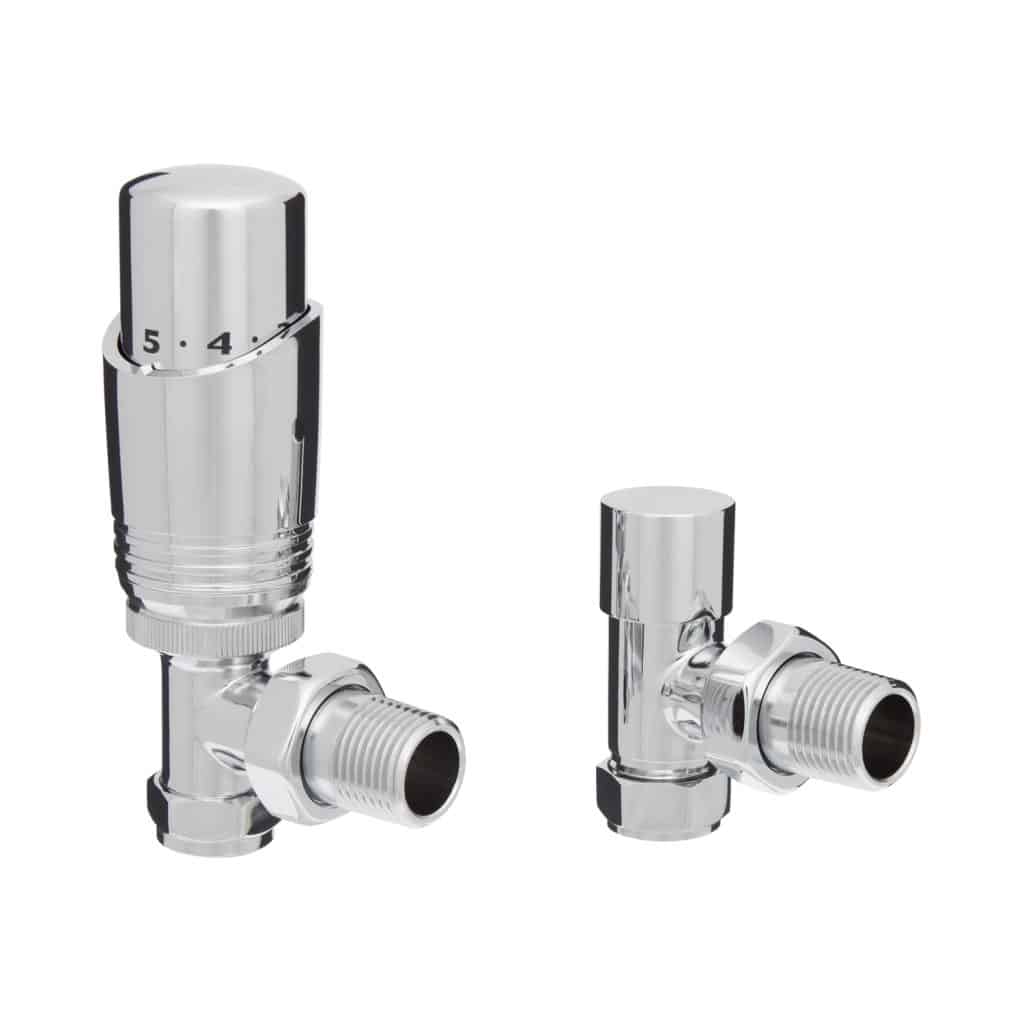
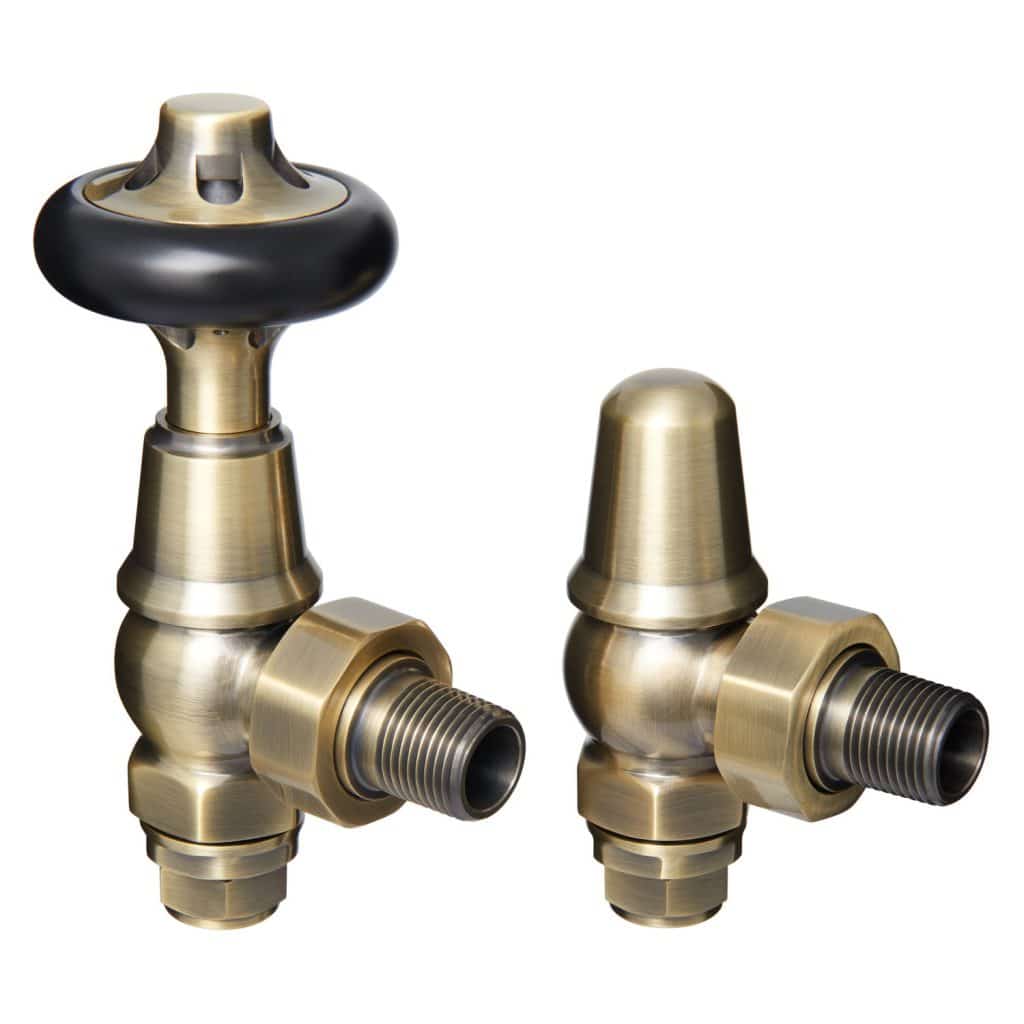
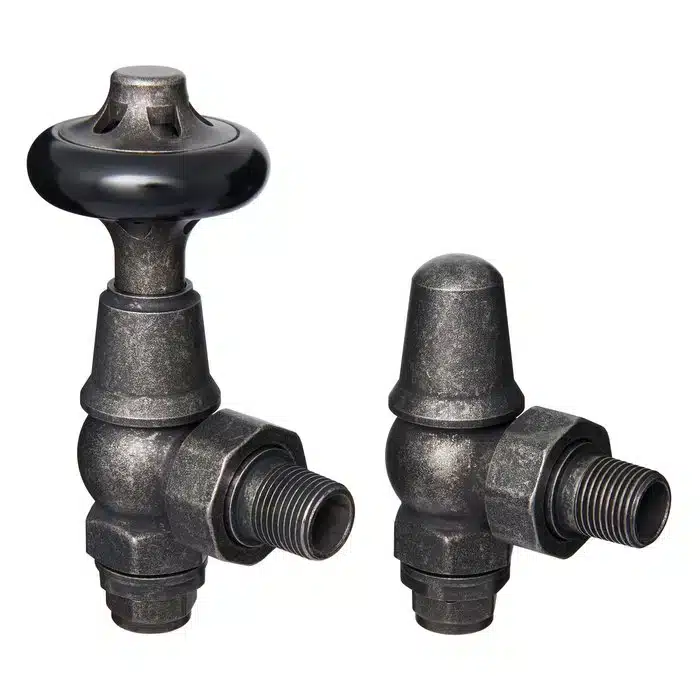
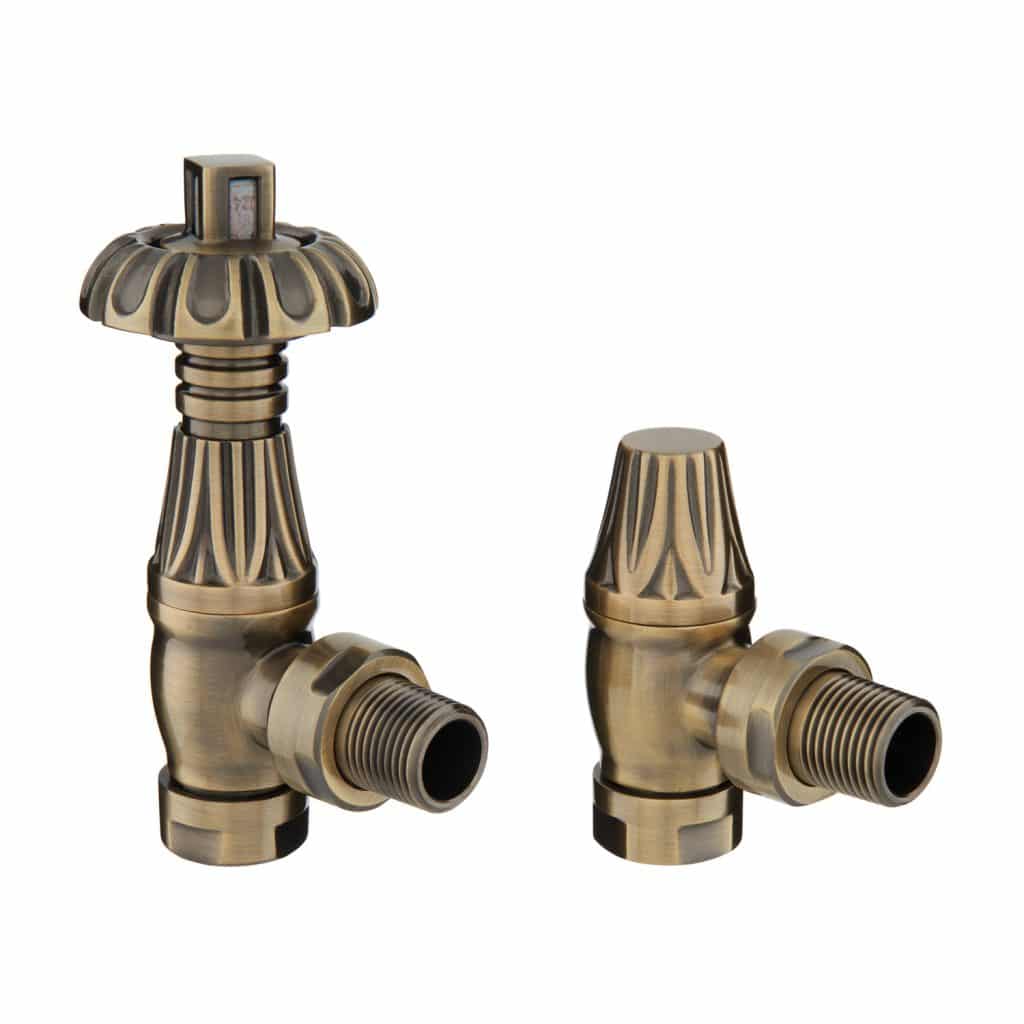
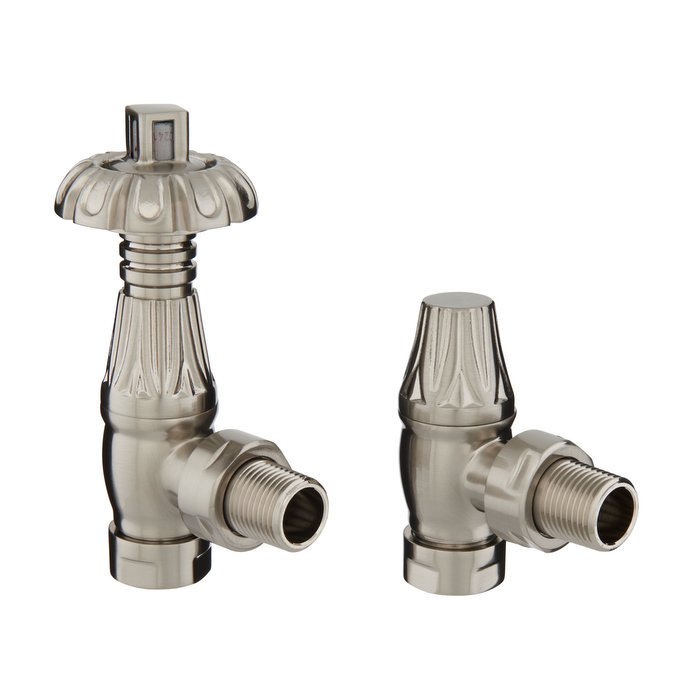
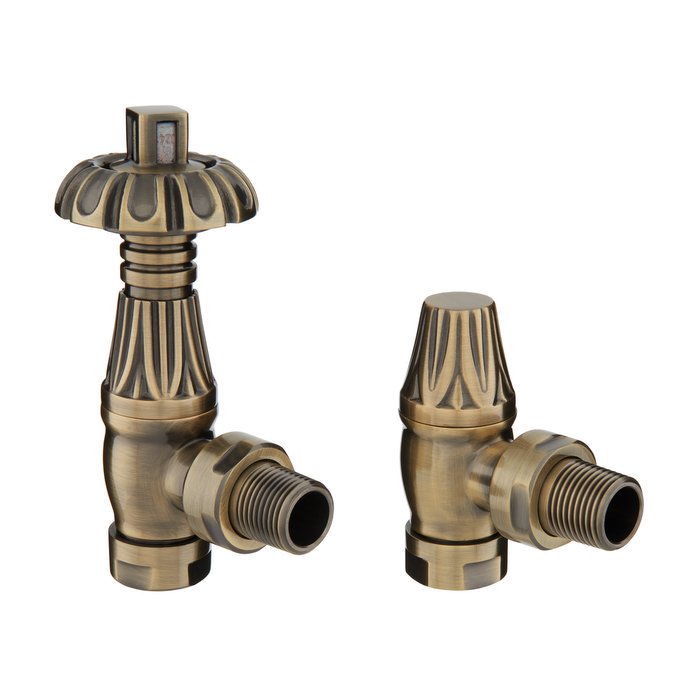
- Check your thermostatic valves are switched on
- Check your thermostat is working correctly
- Bleed your radiators and balance your heating
- Use frost protection settings
Regular maintenance will not only help your radiators to work more effectively, it can also help to keep your energy costs down. This means you can stay warm and cosy for less.
Cast iron radiators are similar to modern radiators, but there are some key differences in the ways they work. So, if you’re recently made the switch to cast iron radiators and want to know how to keep them in tip-top condition throughout the winter, follow our advice.

Clean your radiators
Your radiators are likely to attract dust like any other piece of furniture in your home, so we recommend giving them a good clean every 3-6 months. Leaving dust on your radiators can impact the efficiency.
The easiest way to clean your radiators is with a static duster that can run between the columns. This will allow you to reach all surfaces and remove dust and pet dander. You can also use a damp lint-free cloth to remove dust and scuffs.
Turn on your thermostatic valves
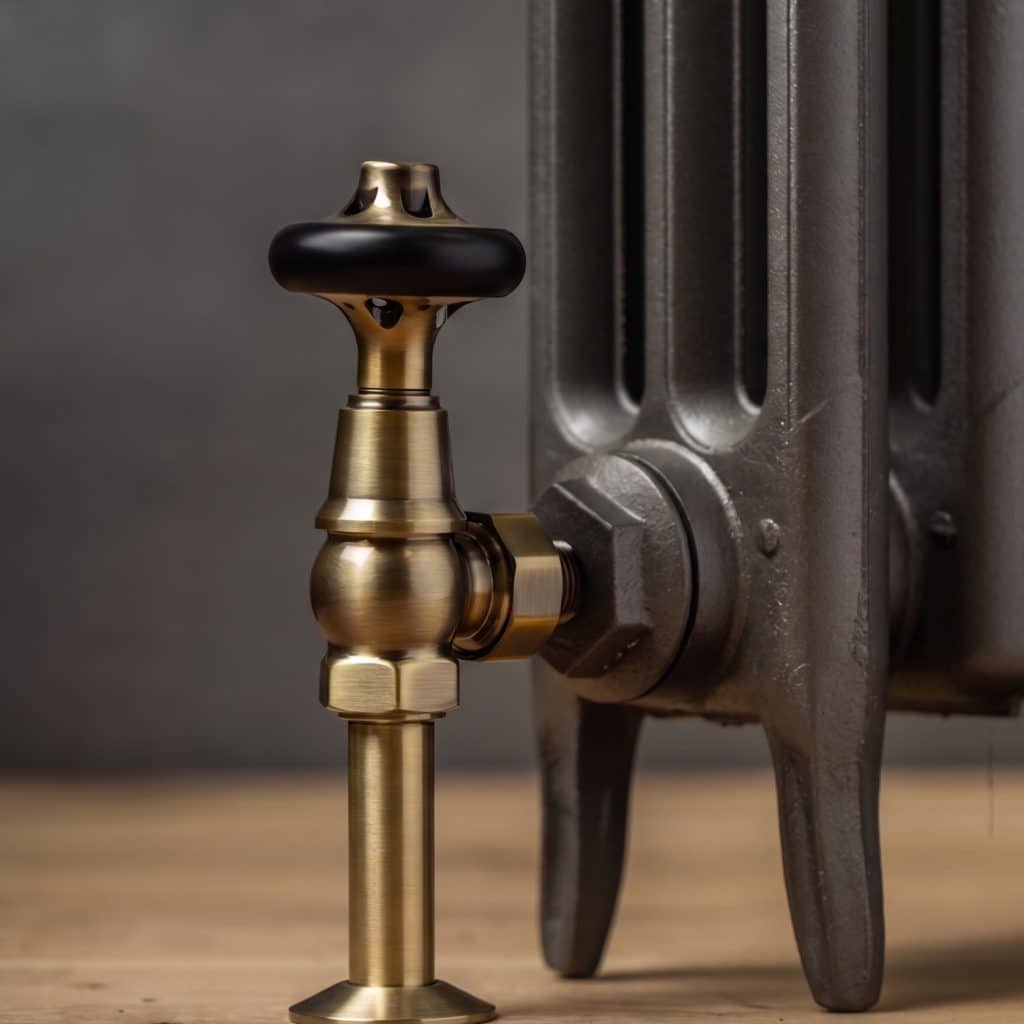
If you opted for thermostatic radiator valves, you will need to check these are all switched to the “on” position. As the weather gets warmer in spring, we tend to close off radiators one by one. This means that some radiators might be switched off completely when winter next rolls around.
Make sure all of your radiators are switched to an “on” position so you can run the entire heating system to check for issues. If there are radiators that don’t need to be switched on, or don’t need to be as hot, you can review this later and adjust the valve to suit your needs. But for the purposes of turning your heating on for the first time, you want to make sure all radiator valves are in the fully open position.
Check your thermostat
It’s time to turn on your central heating system and check everything is working as it should. Set your thermostat a little bit higher than you typically would to make sure the heating system stays on for long enough to check everything is working.
This is also an opportunity to check that your thermostat is working correctly. Many thermostats are battery-powered, and a low battery could mean that your radiators don’t turn on when they are supposed to.
If you have a smart thermostat, check that it is functioning correctly. You can also use this opportunity to review your heating schedule to make sure it still suits your current routine and preferences.
Bleed your radiators
After you have turned on your central heating and allowed it to get up to temperature, it’s time to check your radiators. You are looking for even heat distribution throughout the entire radiator.
Check the top, bottom, left and right sides of your radiators after the central heating system has been switched on for long enough for everything to heat up. If there are cold spots on your radiators, this could be a sign there is air in the system and your radiators need bleeding (remove the air in the system).

Bleeding your radiators is a relatively simple task. We’ve included instructions for how to bleed your radiators here. You’ll need a radiator bleed key to be able to complete this step.
Always remember to allow your radiators to cool down completely before you bleed your radiators, or you may release hot steam and water from the system.
Use frost protection
If you’re planning to go away and your central heating won’t be switched on for a while, you need to think about how to protect against frozen pipework. Our thermostatic valves have something known as “frost protection” which will trigger when temperatures hit around 6-7 degrees, when pipes are most at risk of freezing. Instead of switching your heating off before you leave, simply adjust the thermostat to a low temperature.
This function will work whether your radiators are on or switched to the off position. This can offer excellent peace of mind during winter, as no one wants to deal with a burst pipe!
Want to upgrade your heating system?
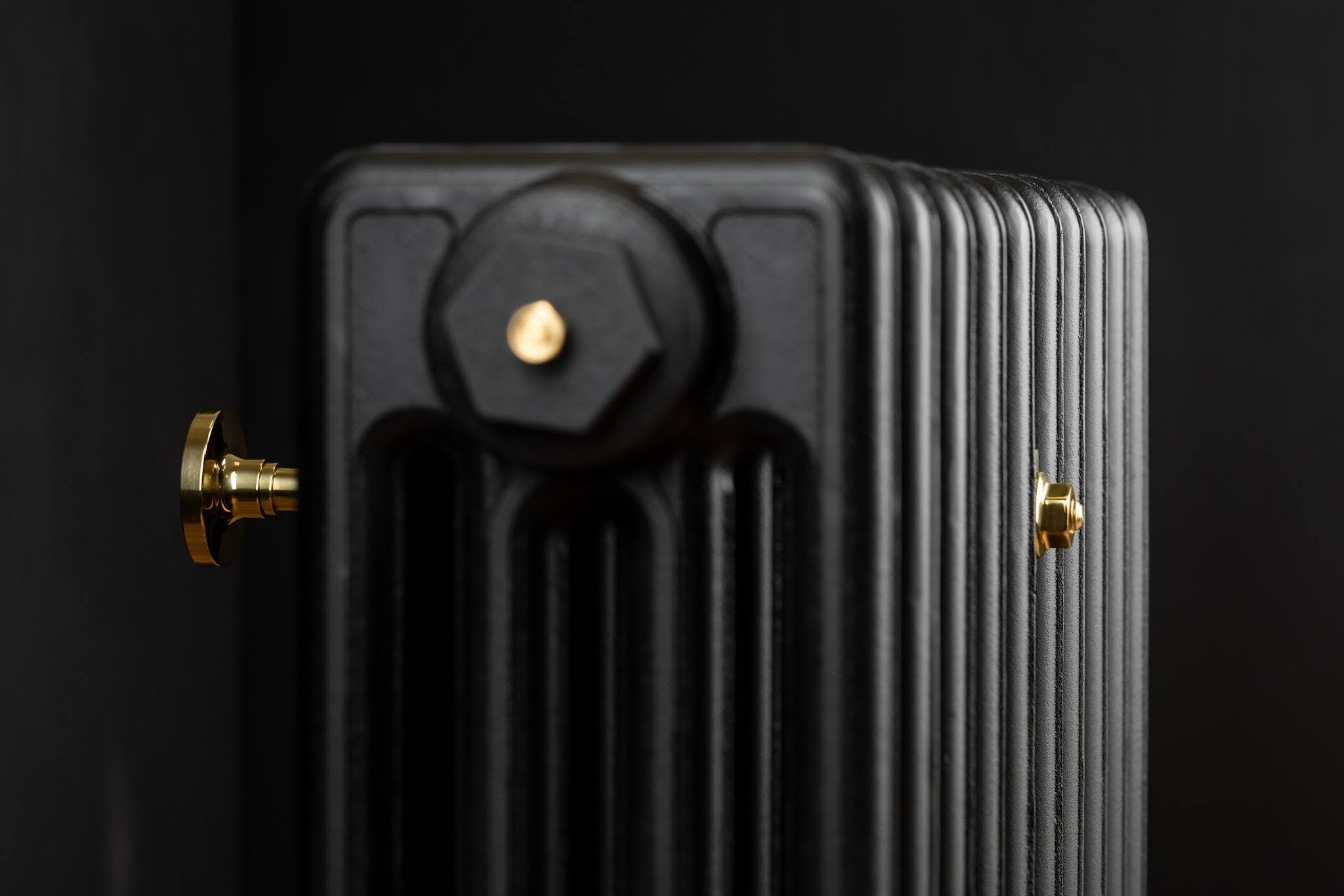
Cast iron radiators offer a cost-effective way to heat your home through the winter months. The cast iron material heats up gradually and then retains the heat for longer than modern radiators. This means you’ll enjoy long and sustained heat output that keeps your home warm and comfortable throughout even the chilliest nights.
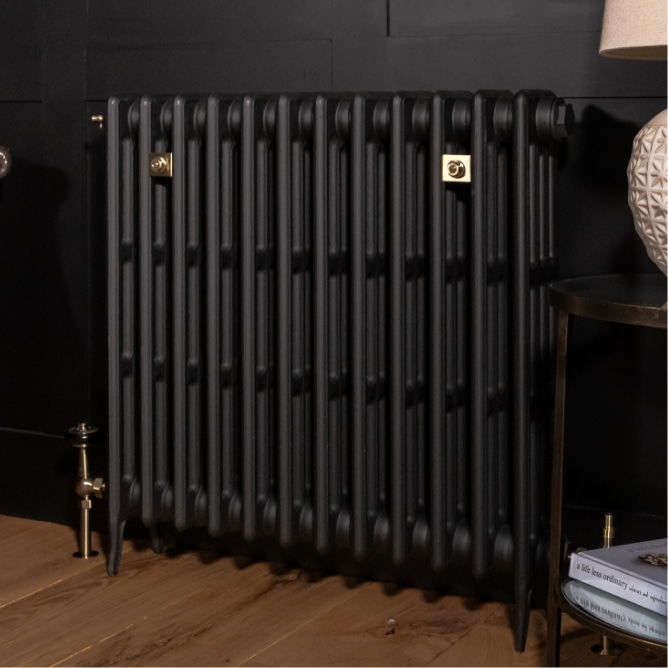
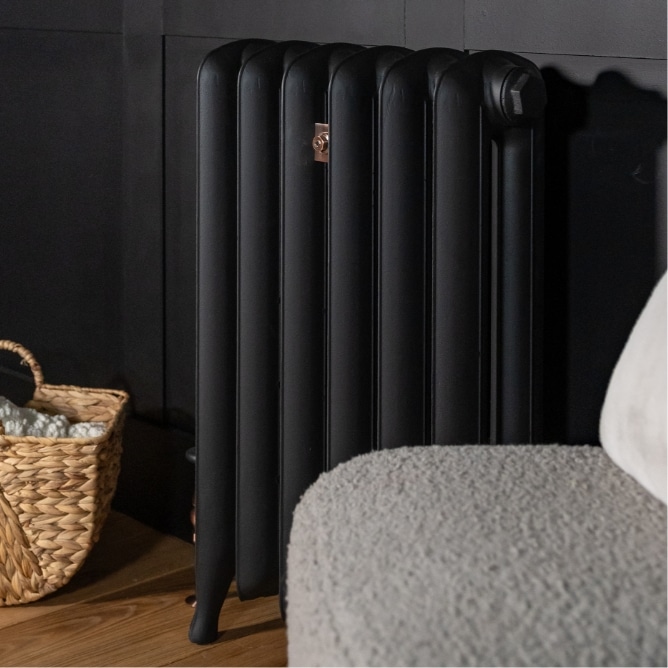
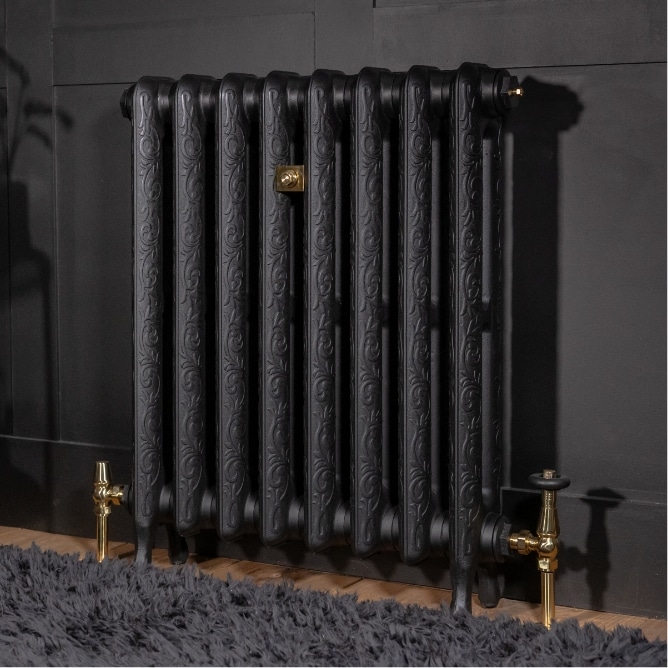
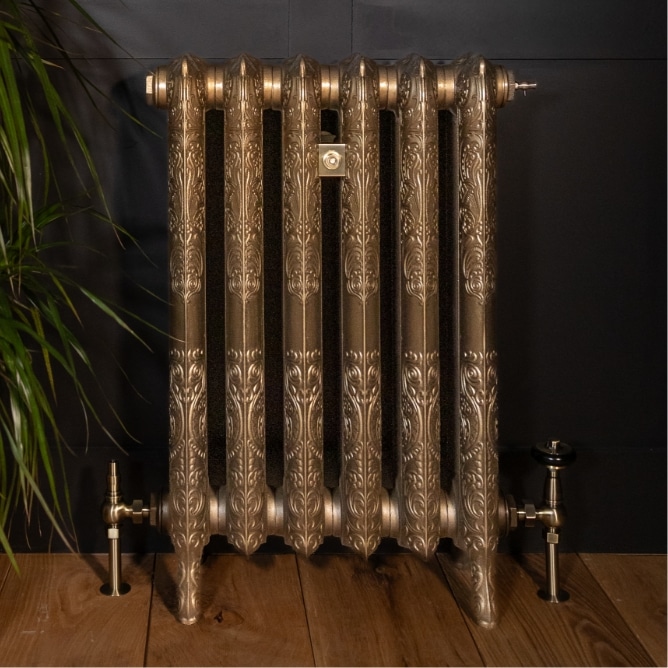
You could choose our most popular radiator, the traditional Victorian 3 column radiator. Or you could opt for something more ornate, such as the Art Nouveau 2 column radiator. All radiators are available in a range of lengths and finishes, allowing you to choose the perfect fit for your interiors.
Looking for more radiator interior inspiration? Head to our Lookbook to see how customers have styled radiators in their own homes.